Contact Us
01482 228202
Working Hours
24 / 7 / 365
E-mail Us
info@arrow-industrial.co.uk
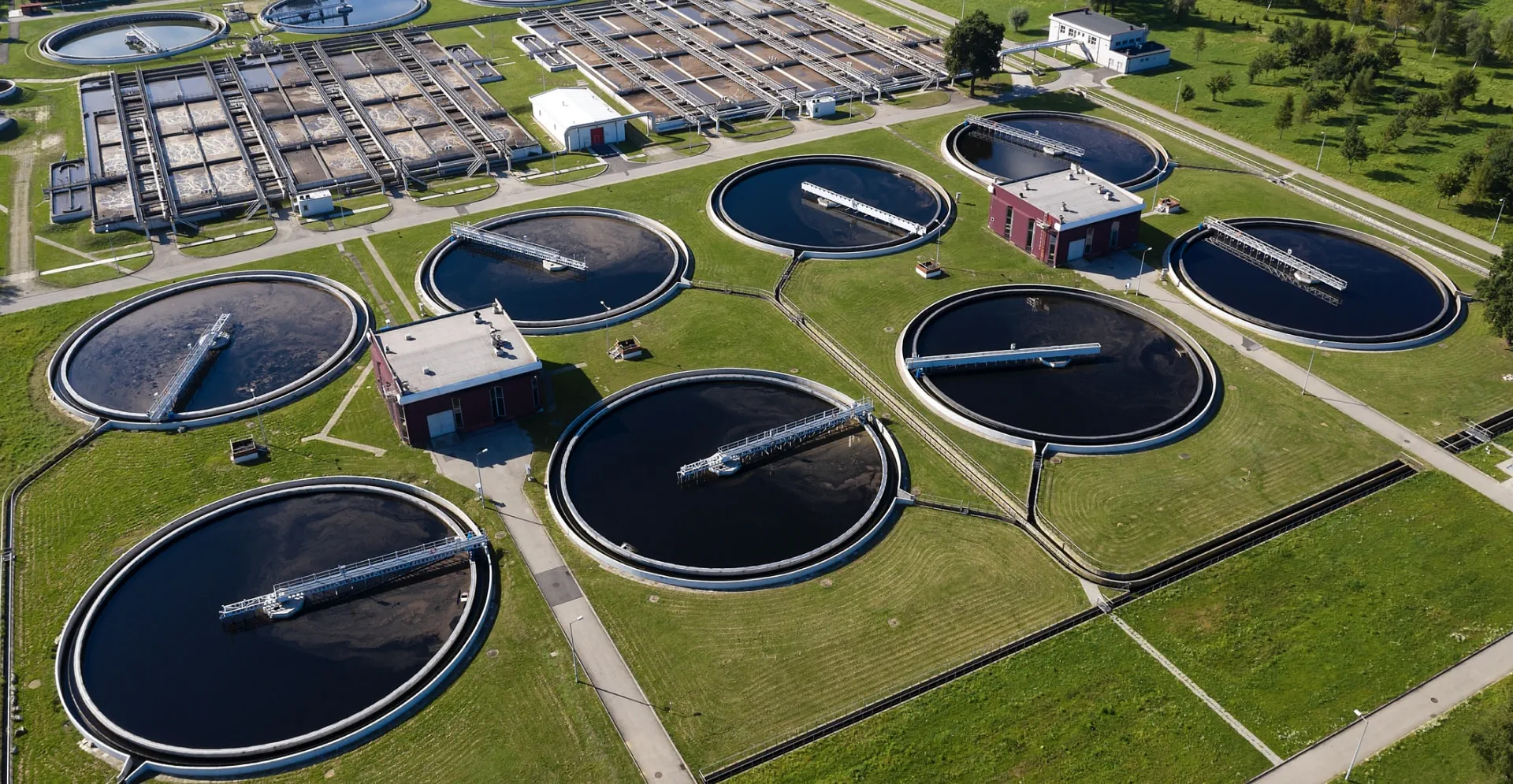
Entities in the water sector must implement appropriate and proportionate technical, operational, and organisational measures to manage and mitigate cyber risks. These measures are based on an "all-hazards" approach to protect both IT (Information Technology) and OT (Operational Technology) systems.
It's quite easy to focus on the cyber security element of the directive, being that is the main crux of the process. However, NIS2 also outlines a minimum of 10 security measures that entities must implement. These include policies on risk analysis and information system security, incident handling, business continuity (including backup and disaster recovery), supply chain security, security in network and information system acquisition and maintenance (including vulnerability handling), policies to assess the effectiveness of risk management measures, cyber hygiene and training, policies on cryptography and encryption, human resources security and access control, and the use of multi-factor authentication or continuous authentication.
Without adequate LPS-certified protection:
Sites may be classified as vulnerable, triggering further regulatory intervention
Insurance premiums can rise sharply
Operational risk increases, with potential for contamination, vandalism, or disruption
Public trust may be compromised if security breaches occur
LPS (Loss Prevention Standard) certification is widely recognised as the benchmark for protecting critical infrastructure. LPS-rated shutters provide:
These shutters undergo rigorous testing, replicating real-world attack methods using tools such as crowbars, chisels, drills, and cutting devices. This gives security managers confidence that the barrier will perform under pressure—because it’s been tested to do exactly that.
NIS2 expects organisations to use third-party-certified physical security products. LPS-rated shutters are explicitly developed to meet that level of scrutiny, making them the ideal solution to demonstrate compliance.
Whether it’s safeguarding chemical stores or the access points to operational buildings, LPS shutters create a formidable barrier that significantly increases the time and effort required to breach a site.
Modern high-security shutters can be designed to integrate seamlessly with:
SCADA-linked access control
Perimeter intrusion detection systems
Emergency response protocols
Fire safety requirements
This makes them not only a security enhancement, but a key operational asset.
Our SR rated shutters are approved by the LPCB board and the Secured By Design Police Accreditation.