Contact Us
01482 228202
Working Hours
24 / 7 / 365
E-mail Us
info@arrow-industrial.co.uk
Arrow offers a range of automatic shop entrance doors, designed to provide smooth and efficient access for commercial spaces.
Our electric sliding doors are perfect for commercial use, providing reliable and quiet operation. These commercial automatic doors are designed to handle high traffic like shop fronts with ease.
Automatic doors offer an ideal combination of convenience, safety, and accessibility. Used across a variety of sectors, they enhance user experience by providing easy entry and exit, improving energy efficiency, and facilitating the smooth flow of people in many areas.
Automatic door, electric door, powered door and automatic entrance door all describe the same product: a door driven by a motor and triggered by a sensor rather than opened by hand. Arrow supplies, installs and services them across the UK.
We fit them to retail units and shop fronts, shopping centres, offices, warehouses, restaurants, schools and healthcare buildings, in single-slide or bi-parting leaf arrangements to suit the opening.

We pride ourselves on delivering superior solutions that cater to our customers’ unique needs.
We’ve installed and maintained countless automatic door systems throughout our history, growing and adapting with the technology to provide cutting-edge service.
The key to our approach is a trusted network of suppliers. We’ve built strong relationships with the most trusted manufacturers of automatic doors in the UK and further afield. This dedicated supply chain ensures we can offer a diverse range of top-quality products, each designed and built to industry-leading standards. It also enables us to provide the most appropriate and effective solutions for our clients, whatever their requirements may be.
From retail establishments to healthcare facilities, industrial premises to educational institutions, Arrow guarantees the highest level of service. Our team of experienced professionals is dedicated to ensuring that your automatic doors function flawlessly and meet all necessary safety and accessibility standards.
Price depends on the width of the opening, whether the door runs as a single slide or bi-parting, the glazing and finish specified, the sensor package chosen, and whether the existing opening needs altering to take an operator. Those variables move the figure enough that a site survey is the only sensible way to price one.
Powered pedestrian doors are covered by BS 7036 and BS EN 16005. Between them they set out how a door must detect people in its path, how fast and how hard it may close, and how it should behave when the power fails. Doors sitting on an escape route carry means-of-escape duties on top. Arrow surveys and installs to those standards, and our safety inspections and PUWER compliance services keep them documented once they are in use.
Features of our automatic shop doors:
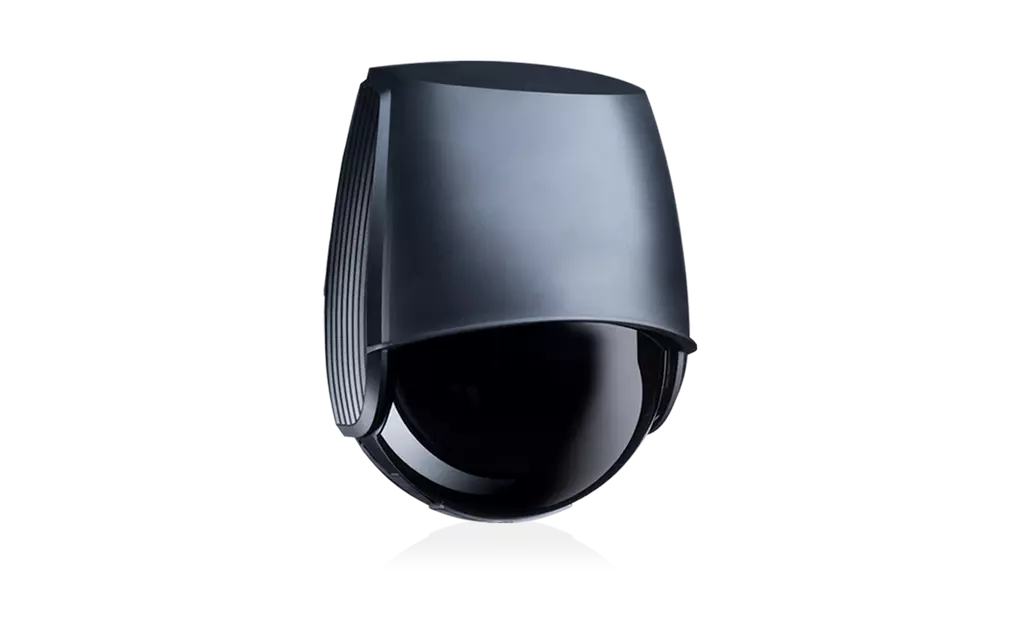
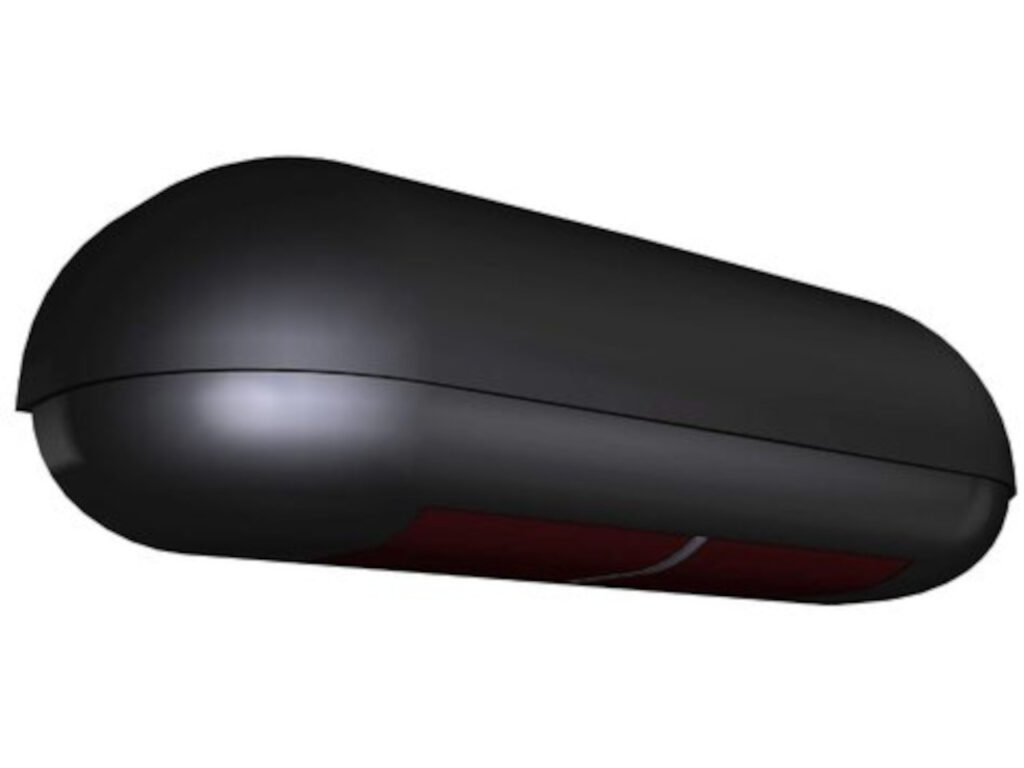
Automatic doors rely heavily on the sensor technology that is installed alongside the door. At Arrow, thanks to our partnerships with all major players in this space, we can provide a wide range of sensors, all with unique properties. Identifying the prime use of your door dictates what type of sensor is best suited and thanks to our engineer expertise, our site surveys help identify which sensor fits your need the best.
What type of doors are used in commercial buildings?
Sliding automatic doors take most main entrances and shop fronts, because they need no swing space and cope with traffic in both directions at once. Behind the entrance the work is usually done by roller shutter doors, sectional overhead doors or high speed doors on the goods and loading side.
What are the disadvantages of automatic doors?
They need power, and they need servicing. A door that is left alone will eventually fail at the busiest moment, and a failed sensor is a safety problem rather than an inconvenience. Planned maintenance and an annual safety inspection deal with both.
How often should a commercial automatic door be serviced?
Twice a year on a busy public entrance, once a year where use is lighter. BS 7036 expects a competent person to check the door's safety functions at planned intervals, so the service visit and the inspection usually run together.
Can a manual door be replaced with an automatic one?
Often, yes. It depends on the structure above the opening, since the operator and its header need somewhere to sit, and on whether the leaf can be swapped for one built to be driven. That is what the survey establishes.