Contact Us
01482 228202
Working Hours
24 / 7 / 365
E-mail Us
info@arrow-industrial.co.uk
If you need to know whether the equipment on your site is safe and compliant — and be able to prove it — a documented safety inspection is where that starts.
Arrow inspects every powered and manual door asset on site, along with the safety systems around them. You get a written record for each asset, photographic evidence of every defect, and an asset register you can hand to an auditor, an insurer or the HSE.
Every inspection gives you:
Every powered and manual door asset on site, plus the safety systems around them.
Roller shutters and fire shutters, high-speed doors, sectional and spiral doors, sliding and folding doors, loading bays, dock levellers and dock shelters.
Automatic doors and access control, gates and barriers, steel personnel doors and traffic doors.
Leaf and frame integrity, hinges and closers, intumescent and smoke seals, gaps and clearances, signage and certification.
Photocells, safety edges, light curtains, force limiters and emergency stops. These are the components that fail quietly — the door still opens and closes, so nobody notices until someone is hurt.
There is no single legal interval that covers every asset. The obligation under PUWER is that inspection frequency is appropriate to the risk, the usage and the manufacturer’s guidance.
These are working guidelines based on typical usage. Arrow will recommend a schedule for your specific assets as part of the survey, based on what we actually find rather than a standard template.
A door that cycles 200 times a day accumulates wear roughly ten times faster than one that cycles twenty. Inspecting both annually means one is over-serviced and the other is running well past the point where a safety device should have been checked.


Arrow is not owned by a door manufacturer and not tied to a single product range. Our inspectors have no incentive to find faults on one brand and overlook them on another.
We inspect, maintain and repair equipment regardless of who supplied it. Most of the estates we look after were not installed by us.
Engineers across the UK, one point of contact for every site, and consistent reporting wherever the asset happens to be.
People who understand what the regulations require and what the evidence has to look like to be worth anything after an incident — not engineers filling in a form between jobs.
Inspect, maintain, repair, modernise, replace. One supplier working against a single asset register that follows the equipment rather than the contractor.
Forty years manufacturing, installing and maintaining industrial doors, which is why our inspectors know what a twenty-year-old installation should look like and what it should not.

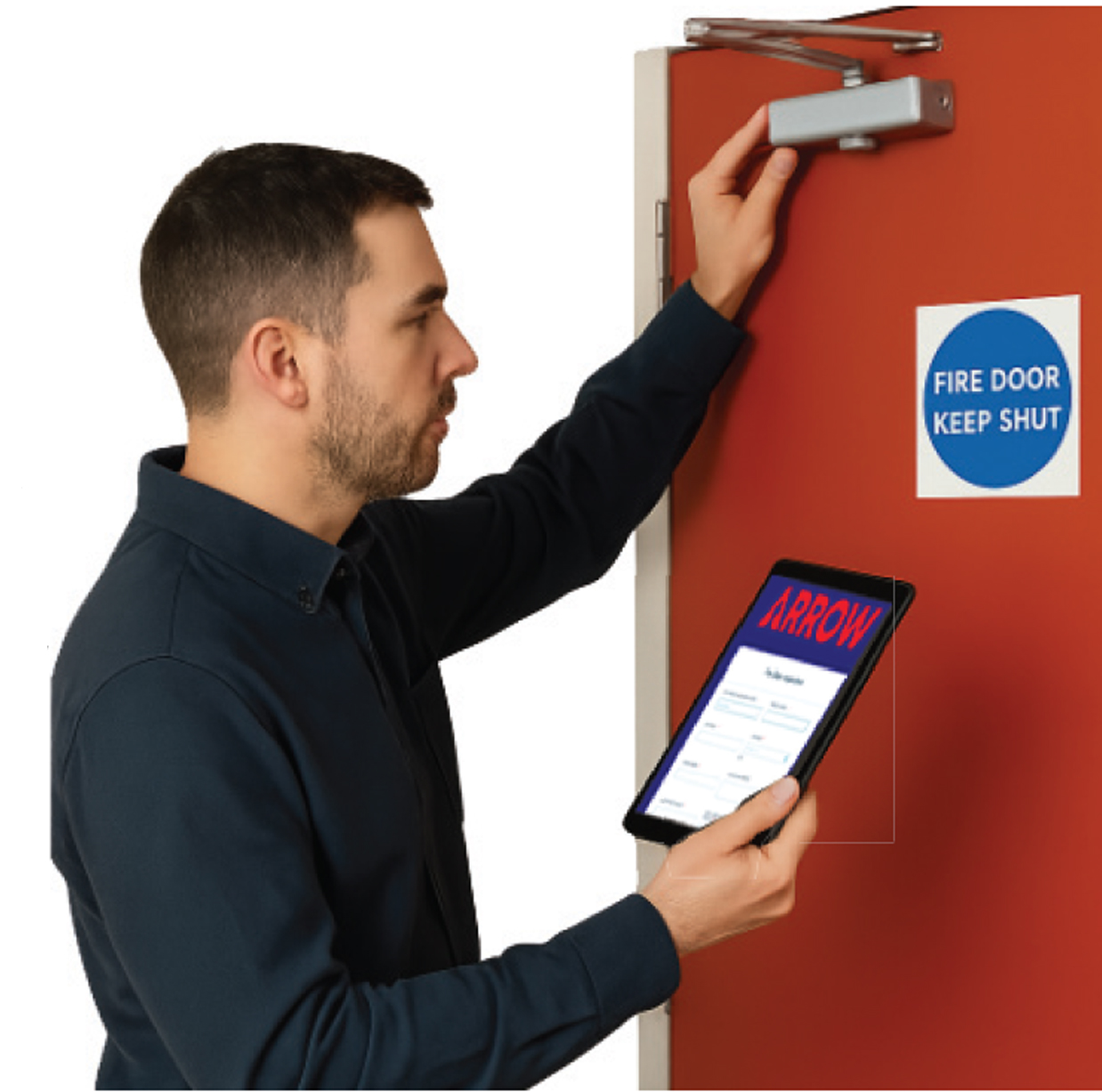
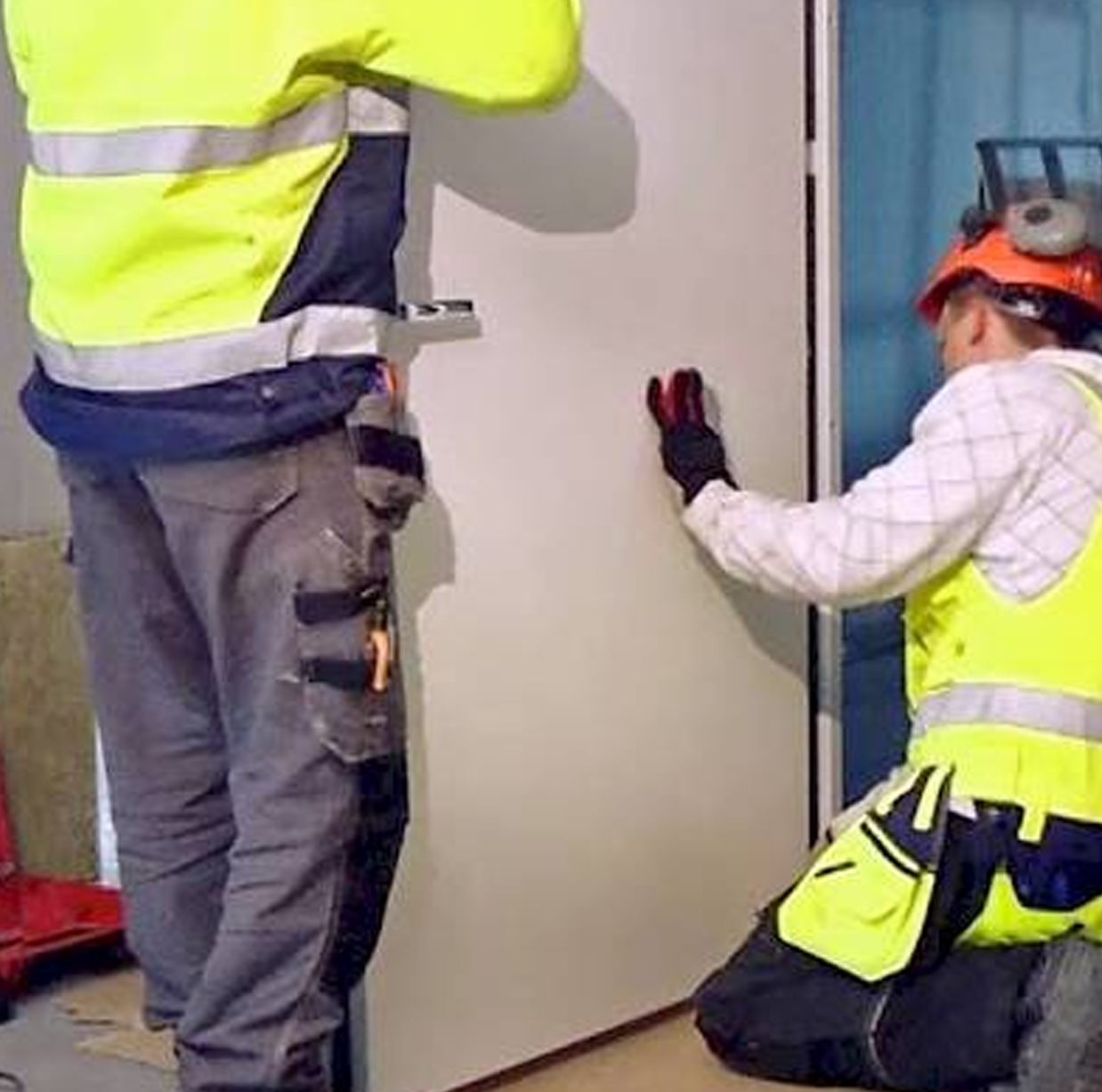

Every planned maintenance visit generates exactly the inspection record that PUWER requires. Sites on a maintenance programme are not scrambling for evidence when an auditor asks — it accumulates as a by-product of the work.
If you are booking inspections separately from maintenance, you are paying twice for one site visit and getting a thinner record than you could have.
Doing nothing is not neutral. It is a compliance gap that grows every month.
Most organisations know their equipment should be inspected. Far fewer can produce the evidence that it was.
After an incident, the question is not whether you meant to comply. It is whether you can produce the records that show you did — dated, specific, and signed by someone competent.
A quick self-check against the requirements of PUWER. Answer honestly.
If you answered no to any of the above, there may be a compliance risk. A documented inspection is the fastest way to find out how big it is.
If you are responsible for equipment across several sites, the hardest part is rarely the inspection itself. It is knowing what you have, where it is, and when it was last looked at.
Arrow builds and maintains a single asset register across your whole estate, with one point of contact, one reporting format and one schedule — regardless of who manufactured or installed the equipment originally.
You get a costed, prioritised remedial plan — what needs doing now, what can be scheduled, and what can wait until next year.
Works are scheduled around your operating hours rather than ours, because a compliance programme that stops production does not survive contact with the site manager. Where an asset is beyond economic repair we will say so plainly rather than quoting for a repair we know will not last.
Inspections reduce breakdowns. They do not abolish them. When something does fail, Arrow provides emergency response 365 days a year, anywhere in the UK, with priority given to customers on an inspection or maintenance programme.
In May 2026 we resolved 92.7% of the jobs we attended on the first visit.
An inspection that finds a fault on every door is not an inspection, it is a quotation.
Arrow reports what we find and ranks it by risk. Some assets pass. Some need work now. Some need watching but not spending on this year, and we will say so.
You are then free to have any remedial work carried out by whoever you like. Most customers ask us — but that is a decision you make after you have read the report, not a condition of getting one.
It is a deliberately unusual position for a contractor to take. It is also the reason facilities managers book the second inspection.
Every powered and manual door asset on site — shutters, high-speed doors, sectional doors, loading bays, dock levellers, gates, barriers, automatic doors and fire doors — plus the safety devices attached to them.
Yes. Most of the estates we inspect were installed by someone else. We are independent and multi-brand, which is the whole point.
Yes. Fire doors carry obligations under both PUWER and the Regulatory Reform (Fire Safety) Order 2005, and it is more efficient to cover them in one pass.
PUWER requires a frequency appropriate to risk and usage rather than a fixed interval. Six months suits most powered doors; high-cycle assets need quarterly attention.
A dated inspection record per asset, photographic evidence of defects, risk-ranked recommendations and a full asset register — in a format you can hand straight to an auditor or insurer.
Nothing. A survey takes about an hour on a typical site. You get a written view of what is compliant and what is not before you commit to anything.
No. The report is yours. Most customers ask us to carry out the work, but that is a decision you make afterwards.

Under the Provision and Use of Work Equipment Regulations 1998, employers must ensure work equipment is inspected at intervals appropriate to the risk, the usage and the manufacturer’s guidance, by a competent person. Fire doors carry additional obligations under the Regulatory Reform (Fire Safety) Order 2005 and the Fire Safety Act 2021. Arrow provides the inspection and the documentation that evidences compliance with both.