Contact Us
01482 228202
Working Hours
24 / 7 / 365
E-mail Us
info@arrow-industrial.co.uk
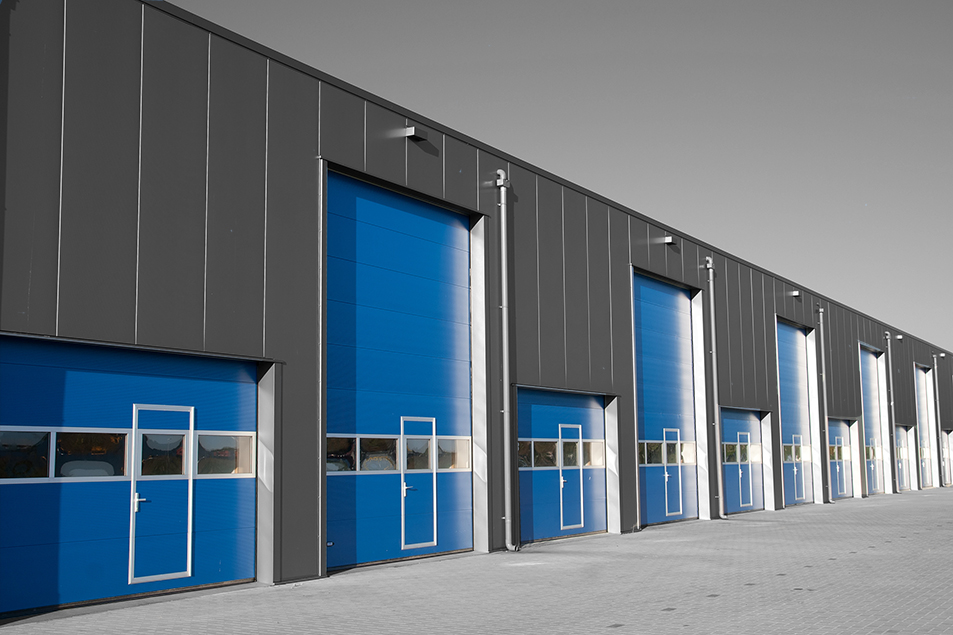
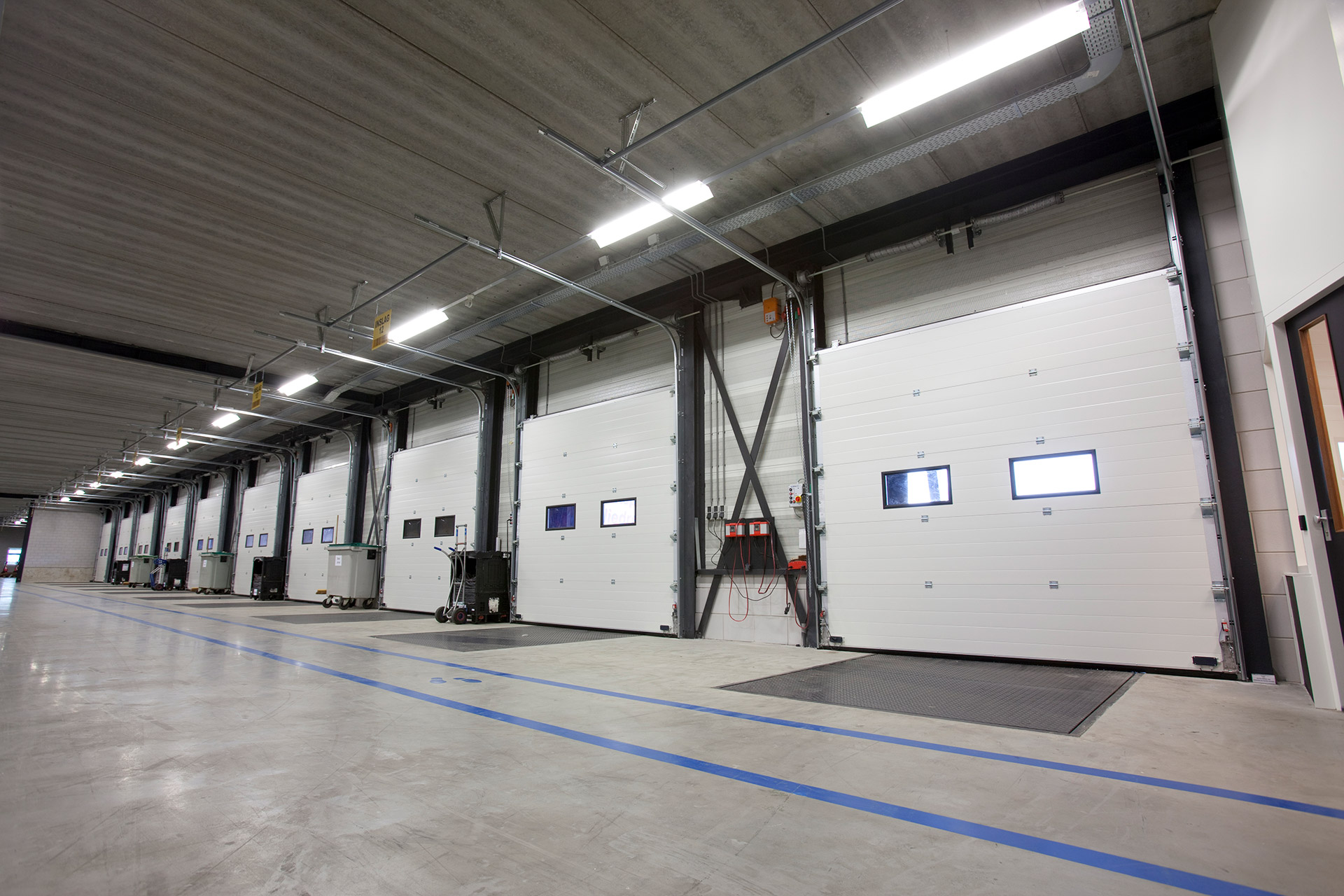
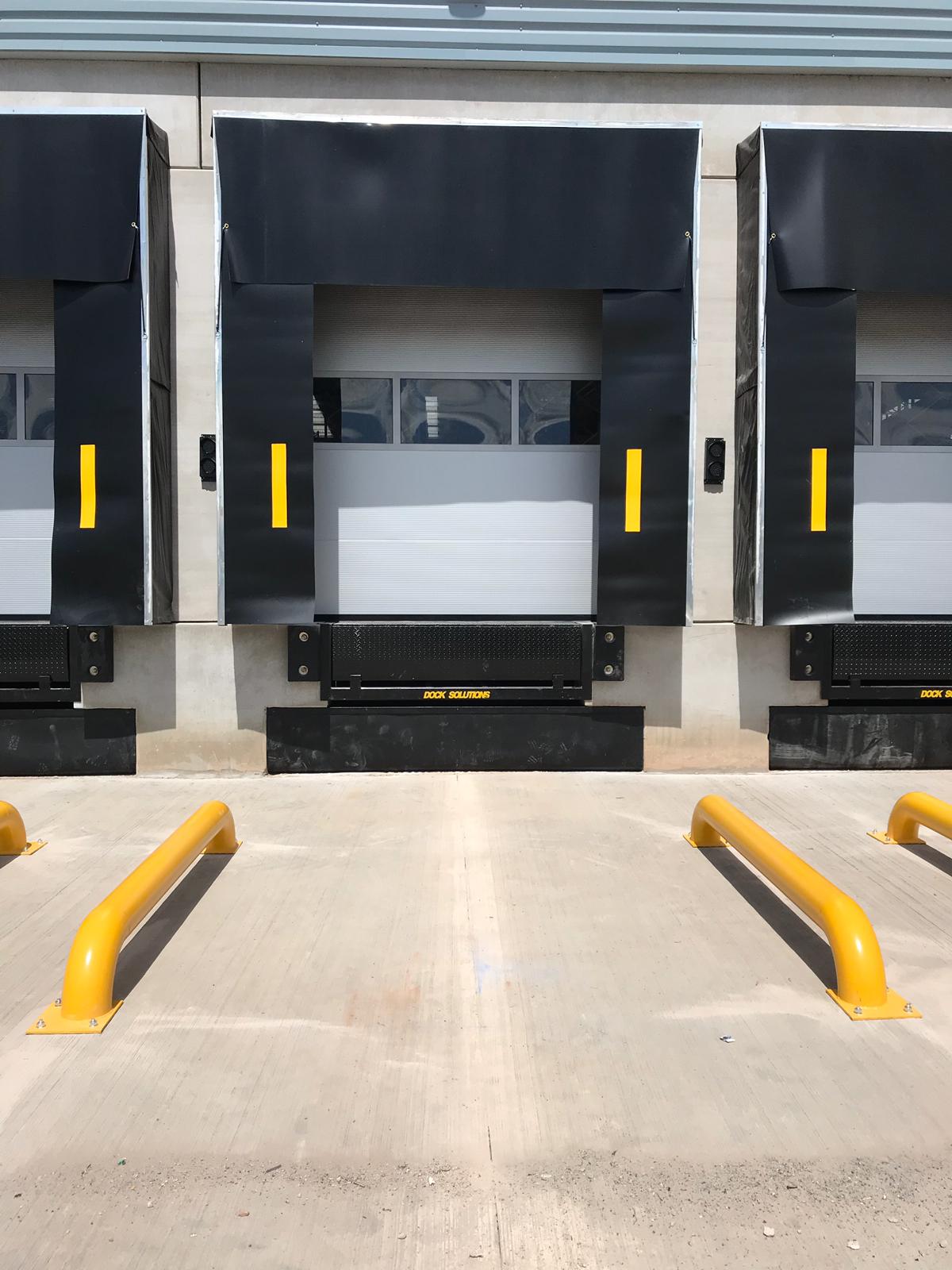
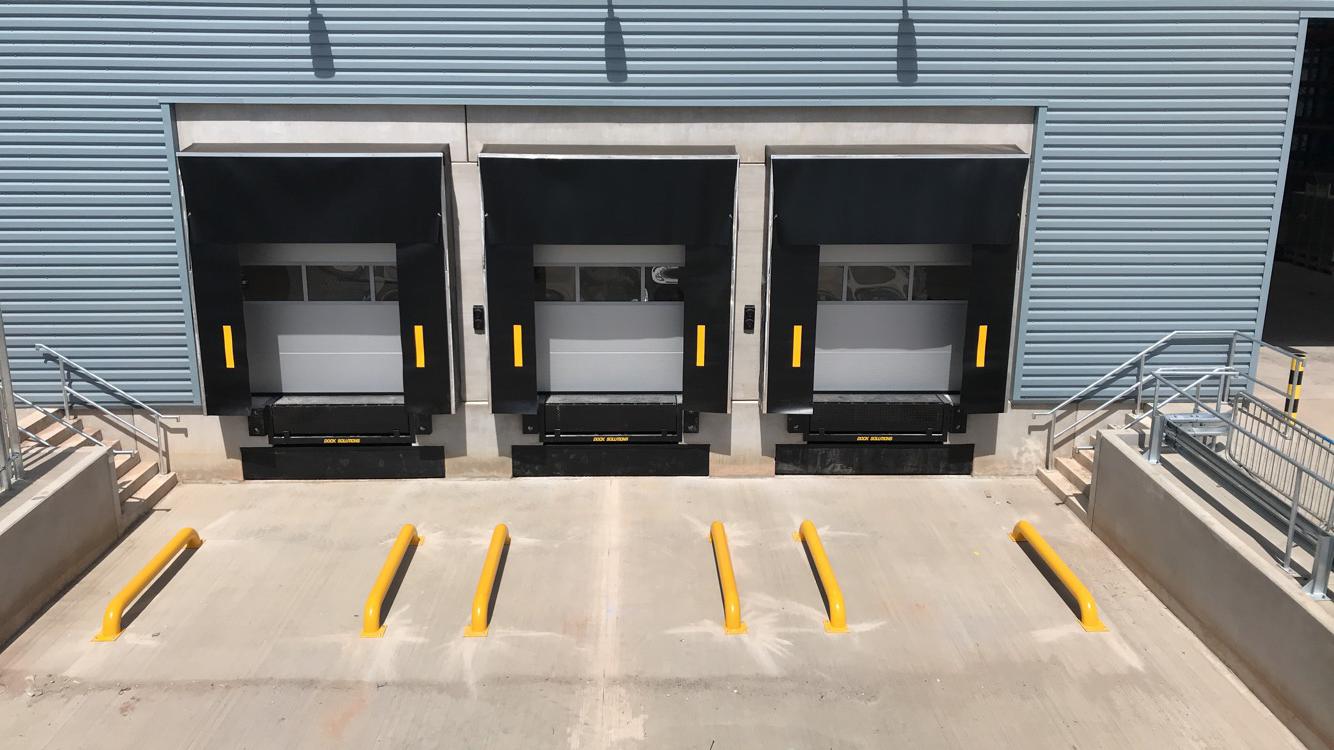
Facility managers require reliable entry points. Our premium industrial door models ensure maximum security for active industrial and commercial locations, streamlining loading docks throughout large industrial buildings.
Modern operations select premium configurations. The specific benefits of sectional overhead doors include space efficiency, clear accessibility, and climate control. These advanced track systems outperform traditional roller shutters in long-term field durability and protection.
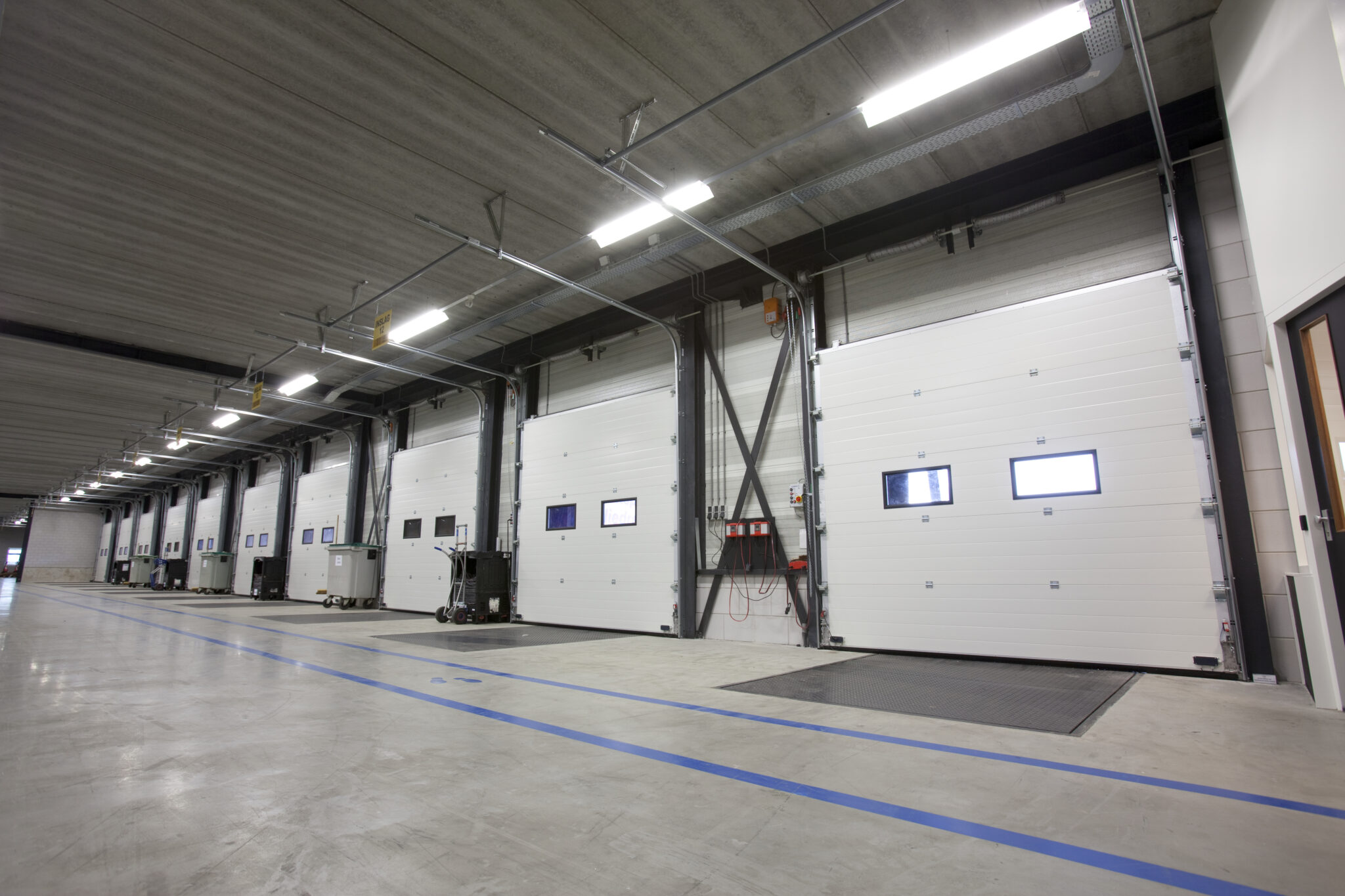
Openings vary, so the tracking does too. Our headroom, clearance and tracking guide sets out standard lift, high lift, low headroom and vertical lift layouts and the space each one needs, and every ArrowSectional door is built and tested to EN 13241, with the safety features that standard requires.

Controlling indoor temperatures is vital. Maintaining high thermal performance eliminates cold bridging and sharply reduces active commercial energy costs. Our design engineers construct custom installations to fully satisfy modern UK building regulations.
The insulated panel designs of the sectional doors are manufactured using what is known as the sandwich method, a process that entails a layer of CFC-free rigid polyurethane foam being inserted between two zinc-coated galvanised steel plate sheets or robust aluminium sections and glued in place. This solid foam core forms an exceptional insulation value to insulate environments while acting as a reliable thermal break across every joint.
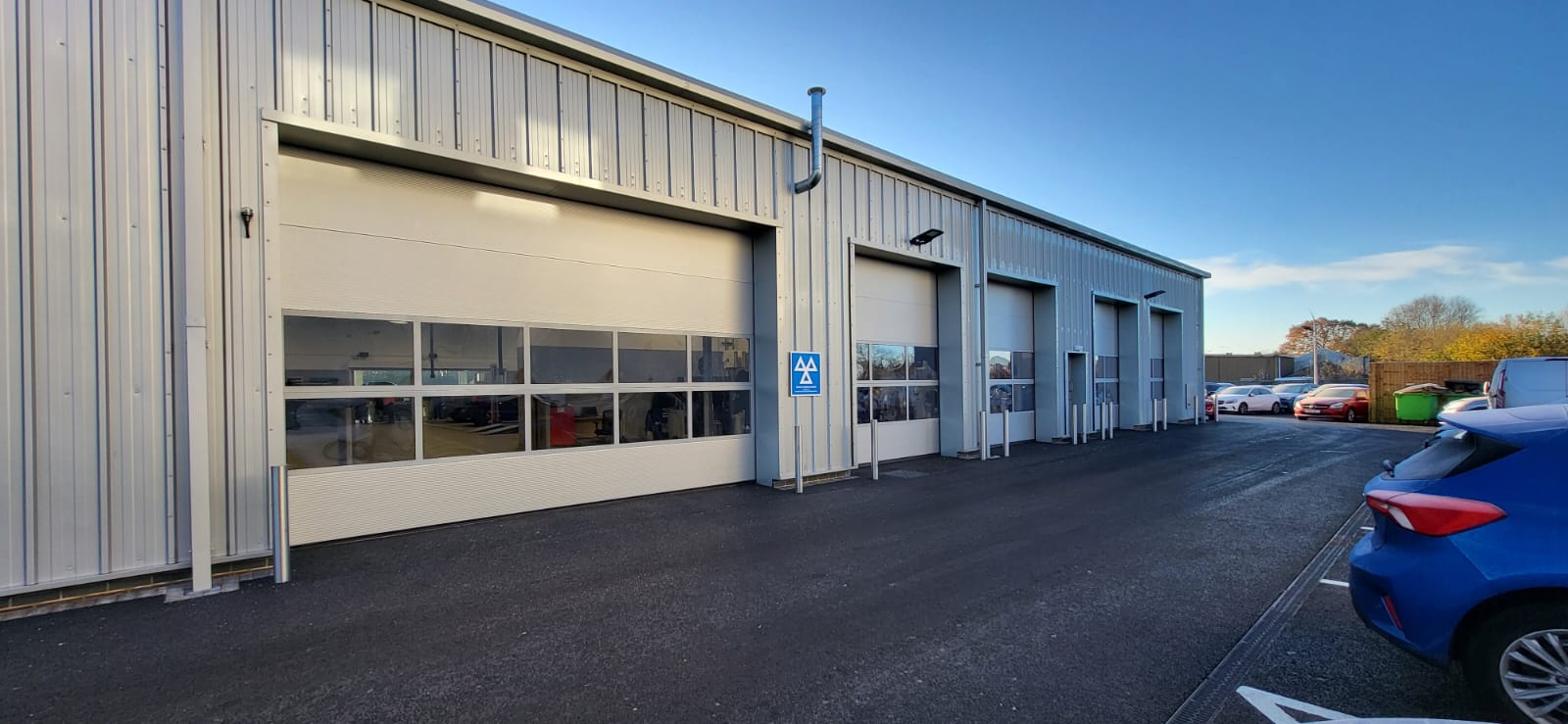
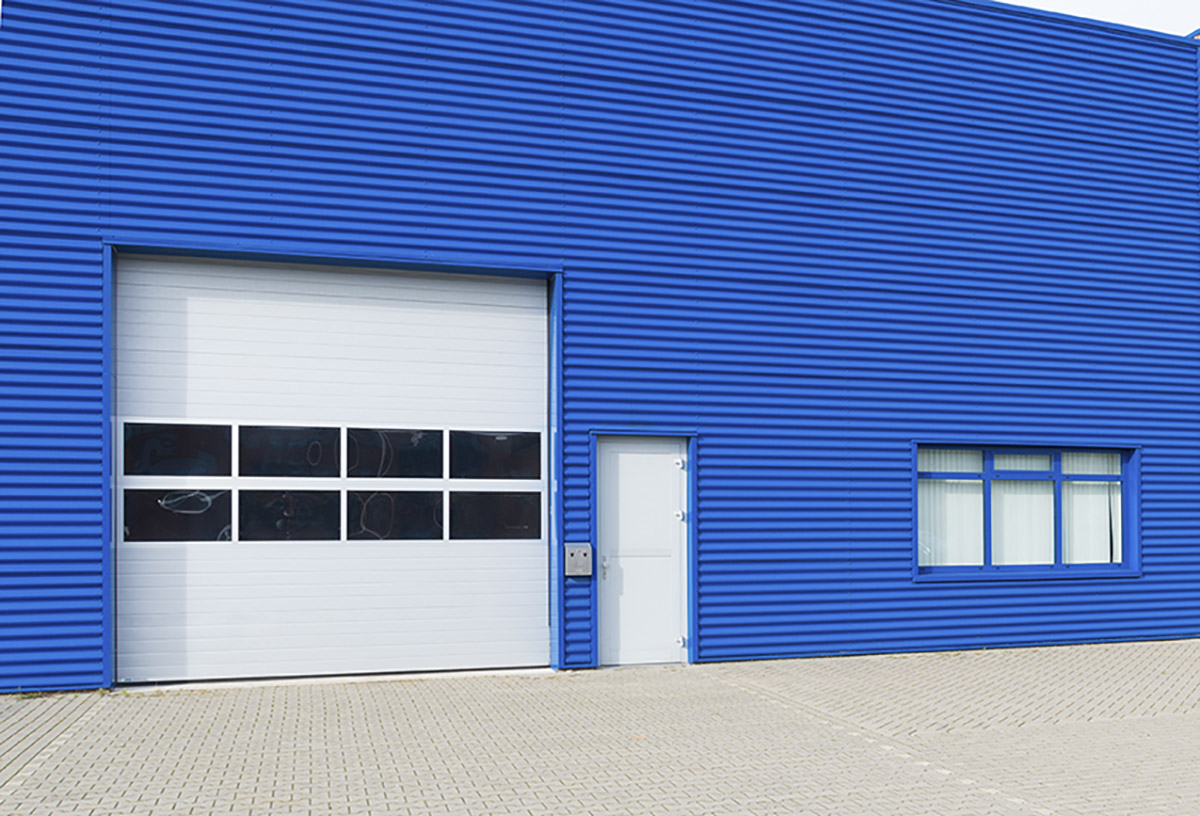
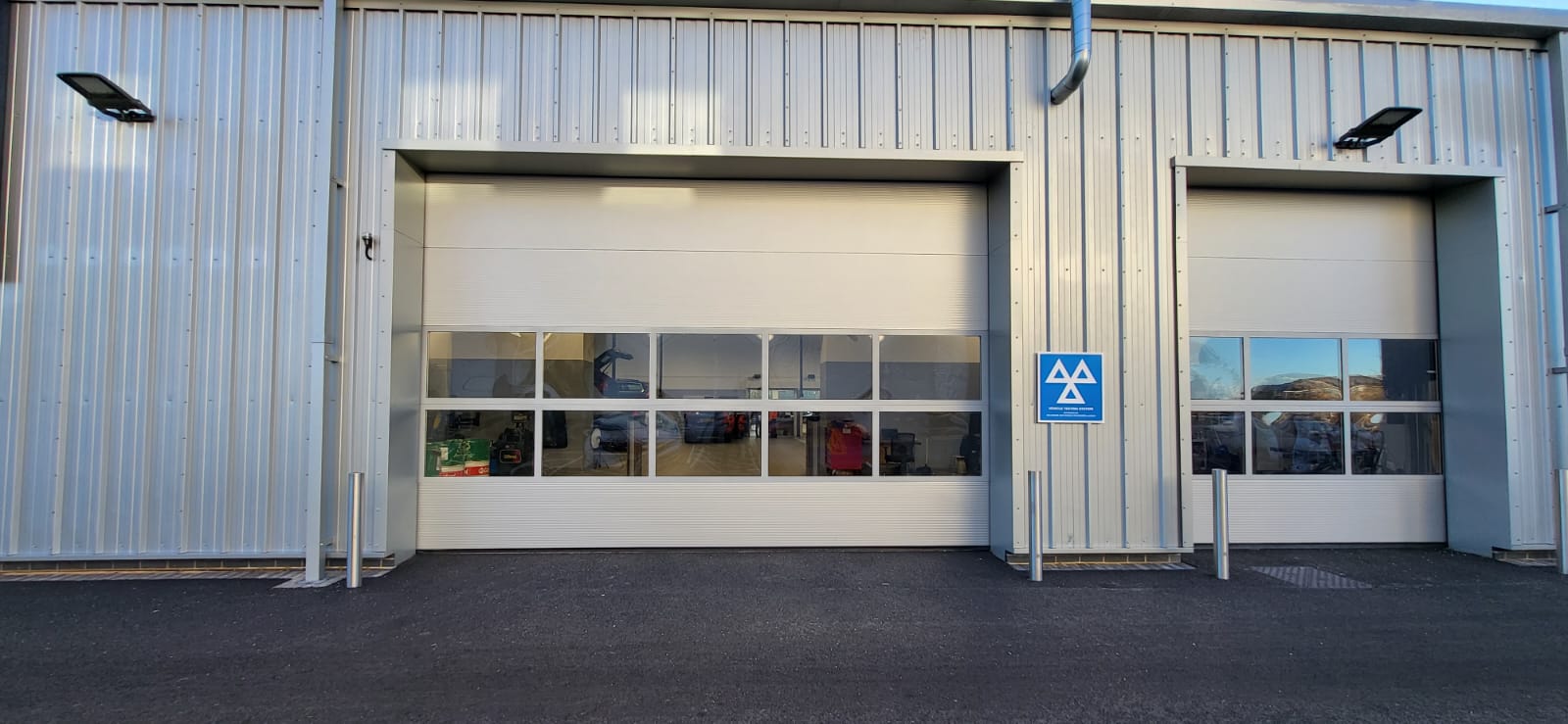
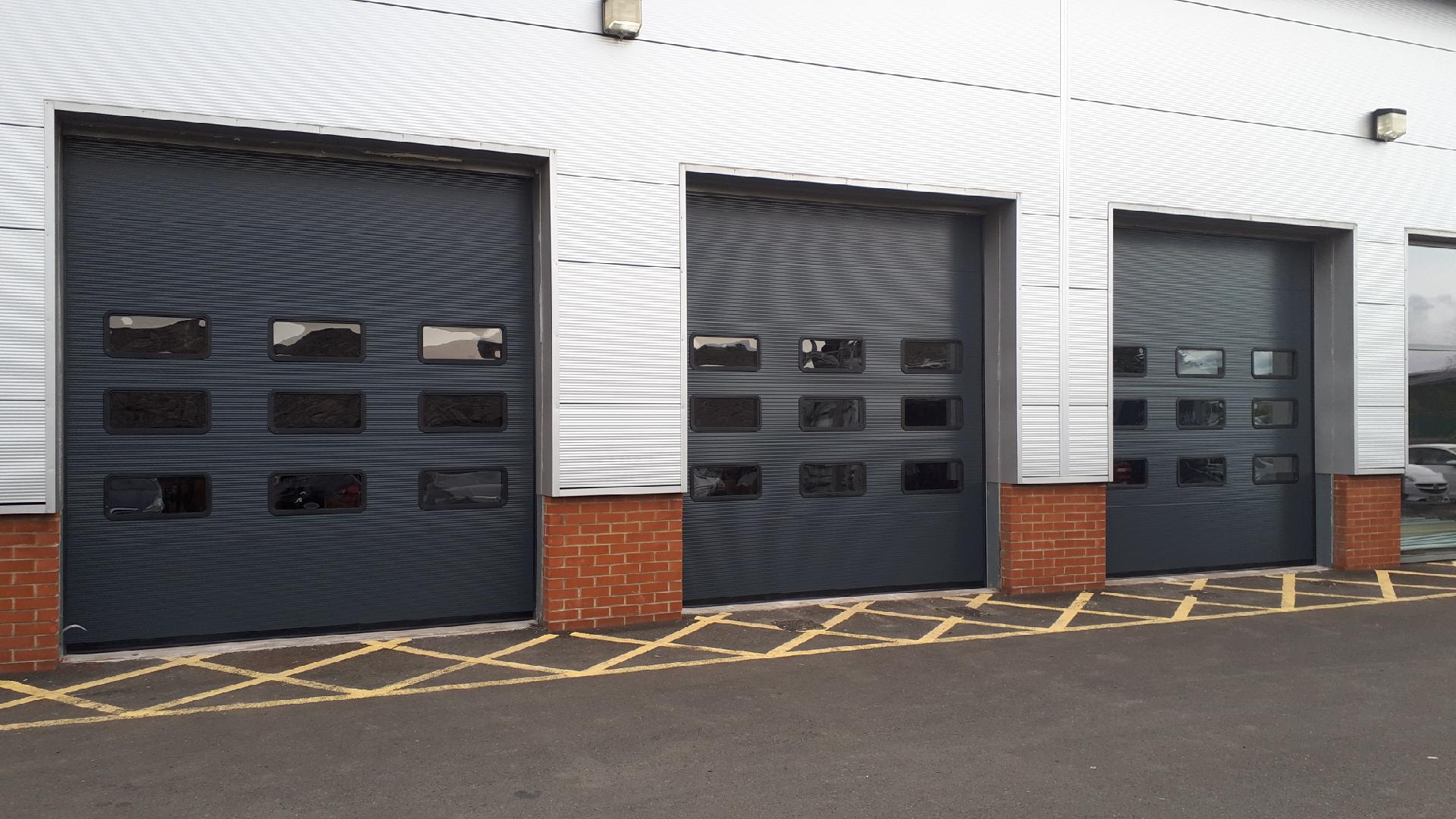
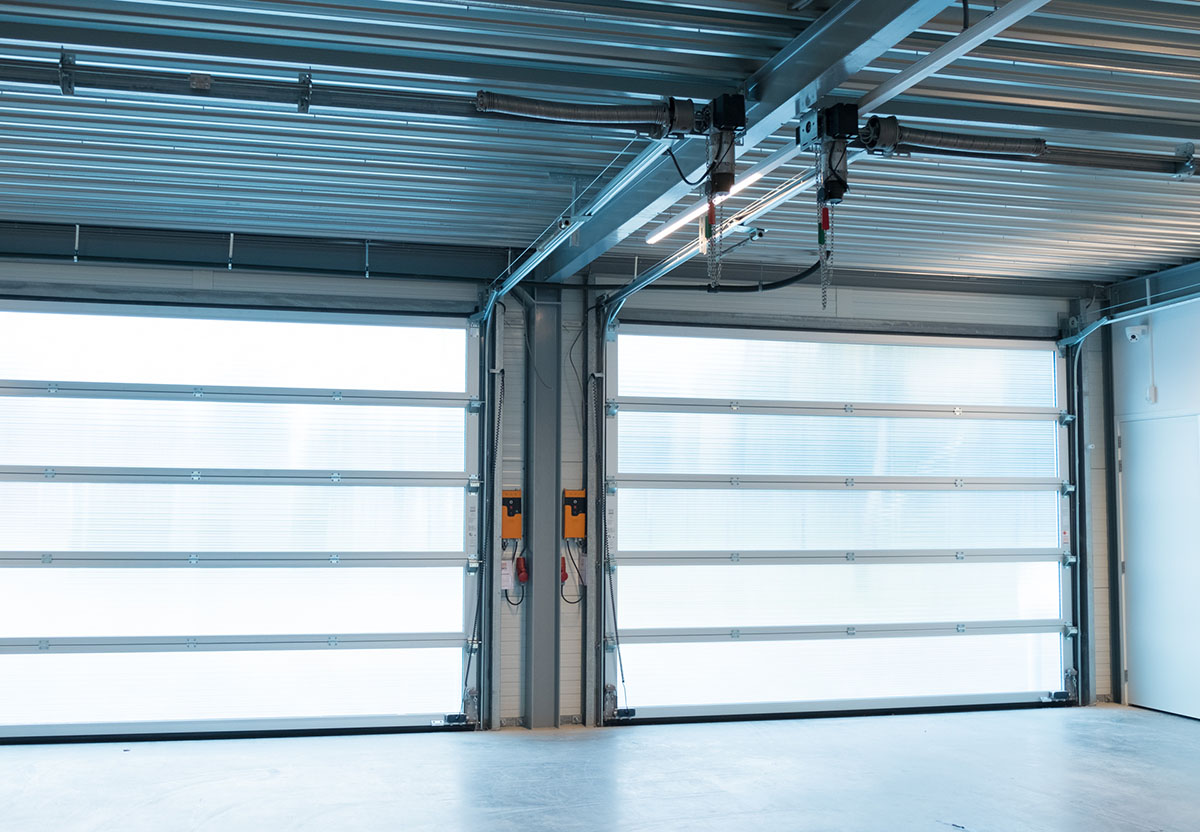
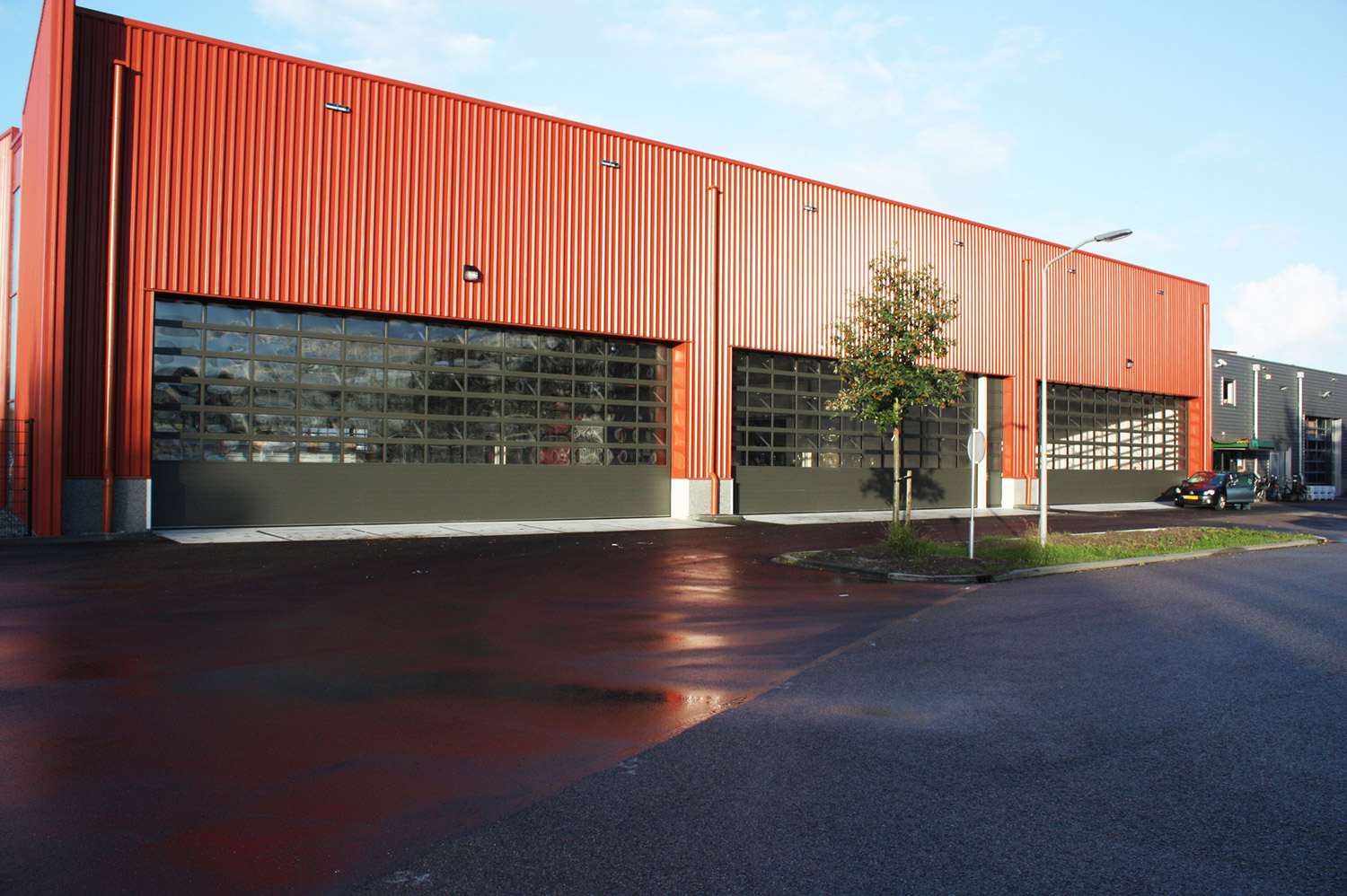
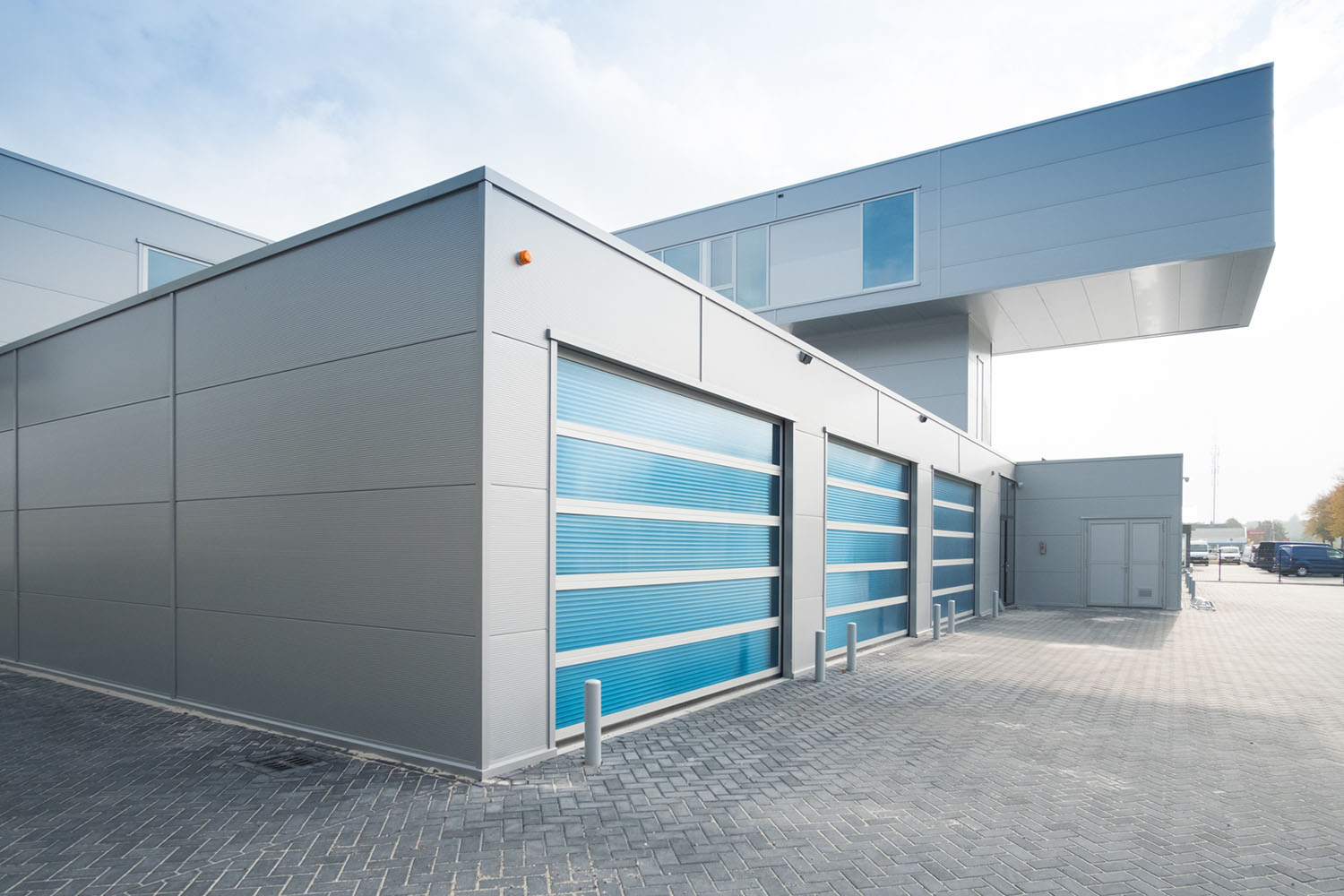
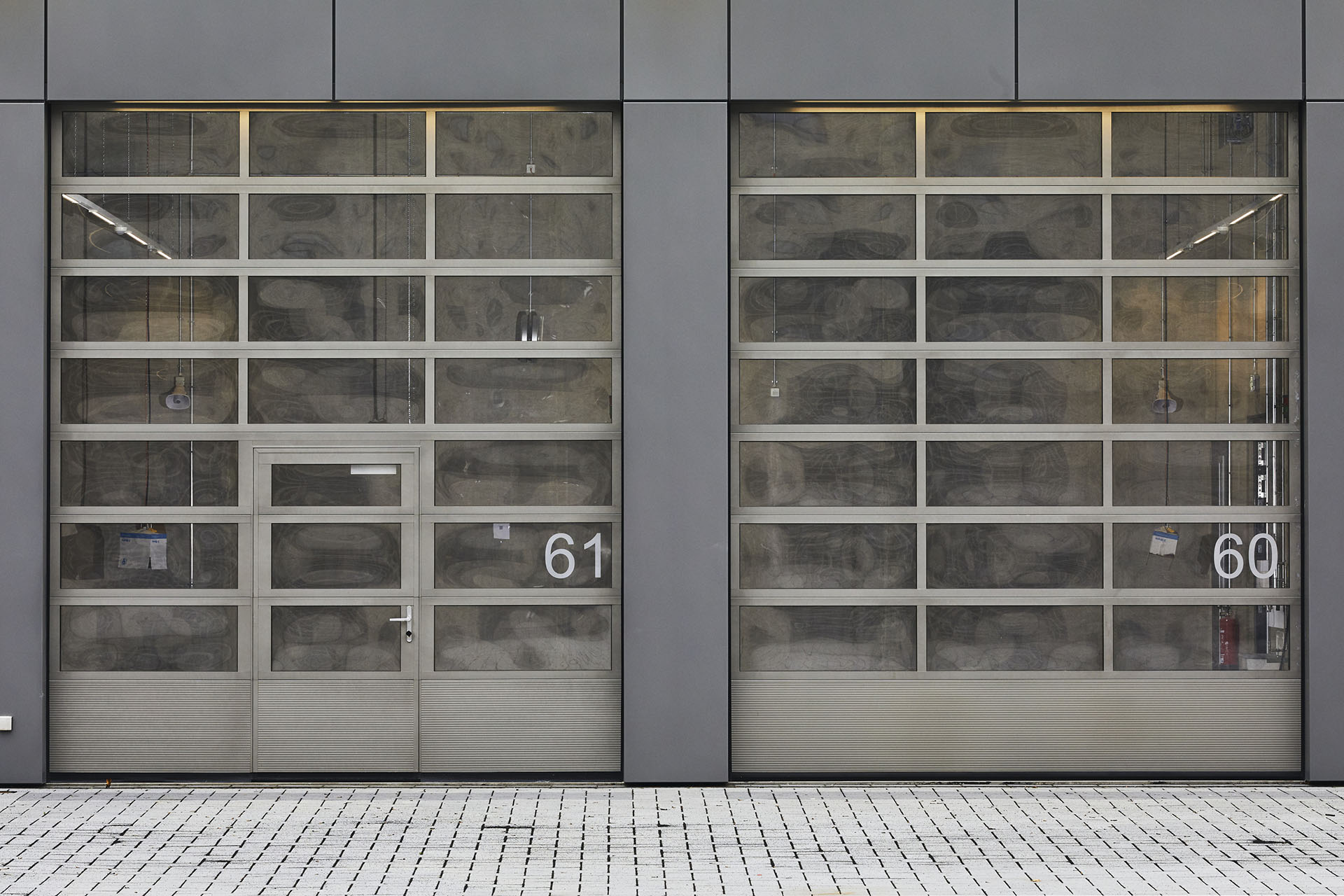
Glazed sectional doors can be equipped with plastic window frames of various levels of quality and with different insulative values, colours and builds. Go for coloured glass or hollow-core plates, play with the divisions or combine various panels with the aluminium sections for a great result. Thanks to the plethora of design and application options, our sectional door is particularly useful if you want to combine an attractive design with optimal light transmittance.
Specifying to a target U-value? Our guide to insulated sectional overhead doors and Part L U-value requirements explains whole-doorset figures against panel core ratings, so the number you specify is the number the building control officer accepts.
Both systems close a large industrial opening, but they behave differently once they are in daily use. A sectional overhead door lifts in panels along horizontal tracks and sits flat under the ceiling, so nothing is lost from the yard outside or the wall face inside. A roller shutter coils into a barrel above the lintel, which needs headroom above the opening but no ceiling run behind it.
The practical differences show up in three places. Insulation: sectional panels carry a rigid foam core between two steel skins, where a single skin shutter curtain does not. Sealing: the panel edges and perimeter seals close tightly against wind and rain, so heated space stays heated. Repair: a damaged sectional panel is replaced on its own, rather than recurtaining the whole opening.
Roller shutters still win on tight headroom and on plain security openings where insulation is not the point, and Arrow manufactures both. If you are weighing the two for a specific opening, our full comparison of sectional doors and traditional roller shutters sets out tracking space, thermal protection and lifetime maintenance costs side by side.
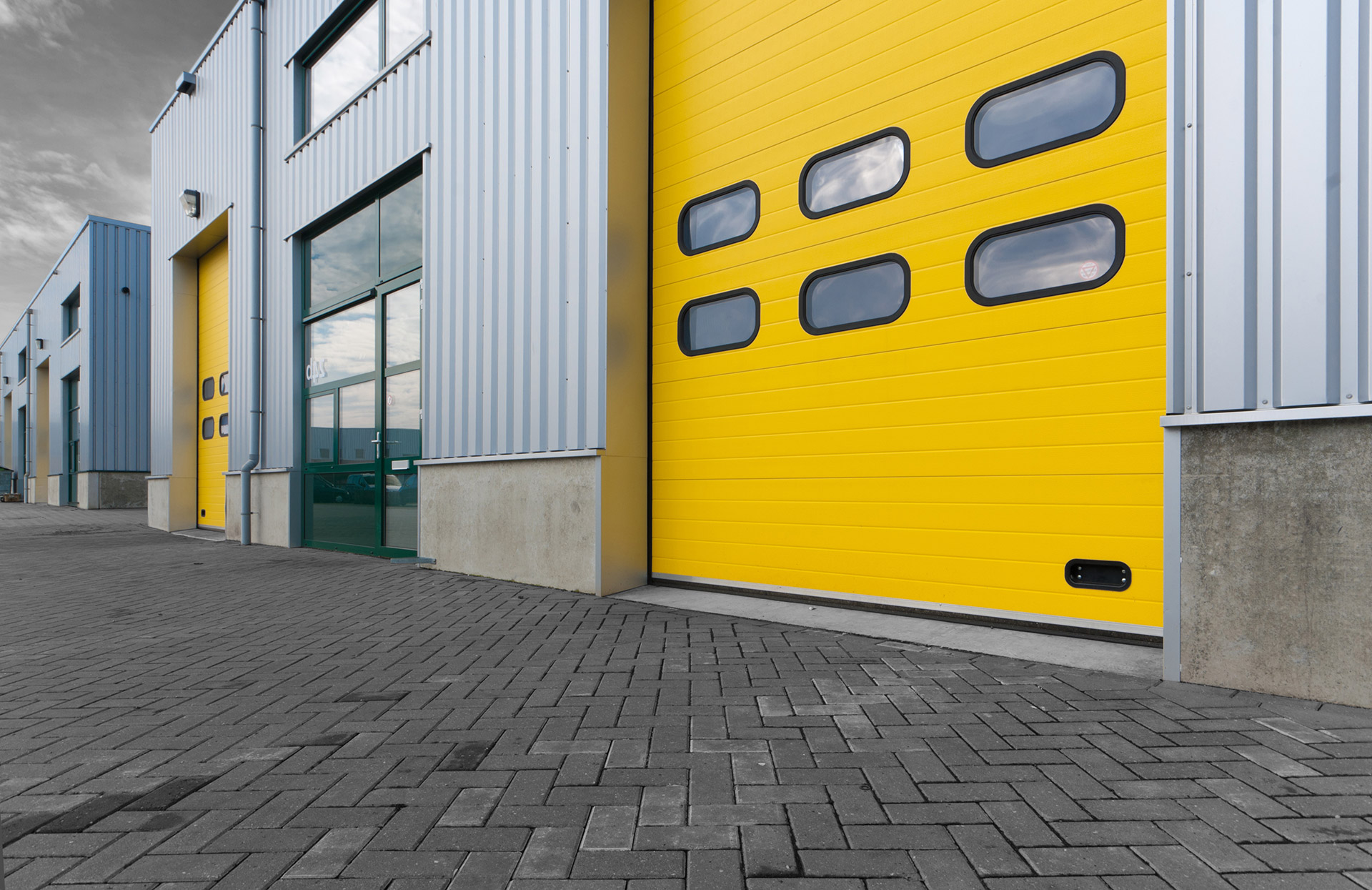
We create bespoke industrial entries to match exact building profiles. Clients can easily customise every feature of their new sectional door system, specifying durable powder coated finishes across a massive ral colour range. Panel faces can feature a classic woodgrain texture or clean modern lines.
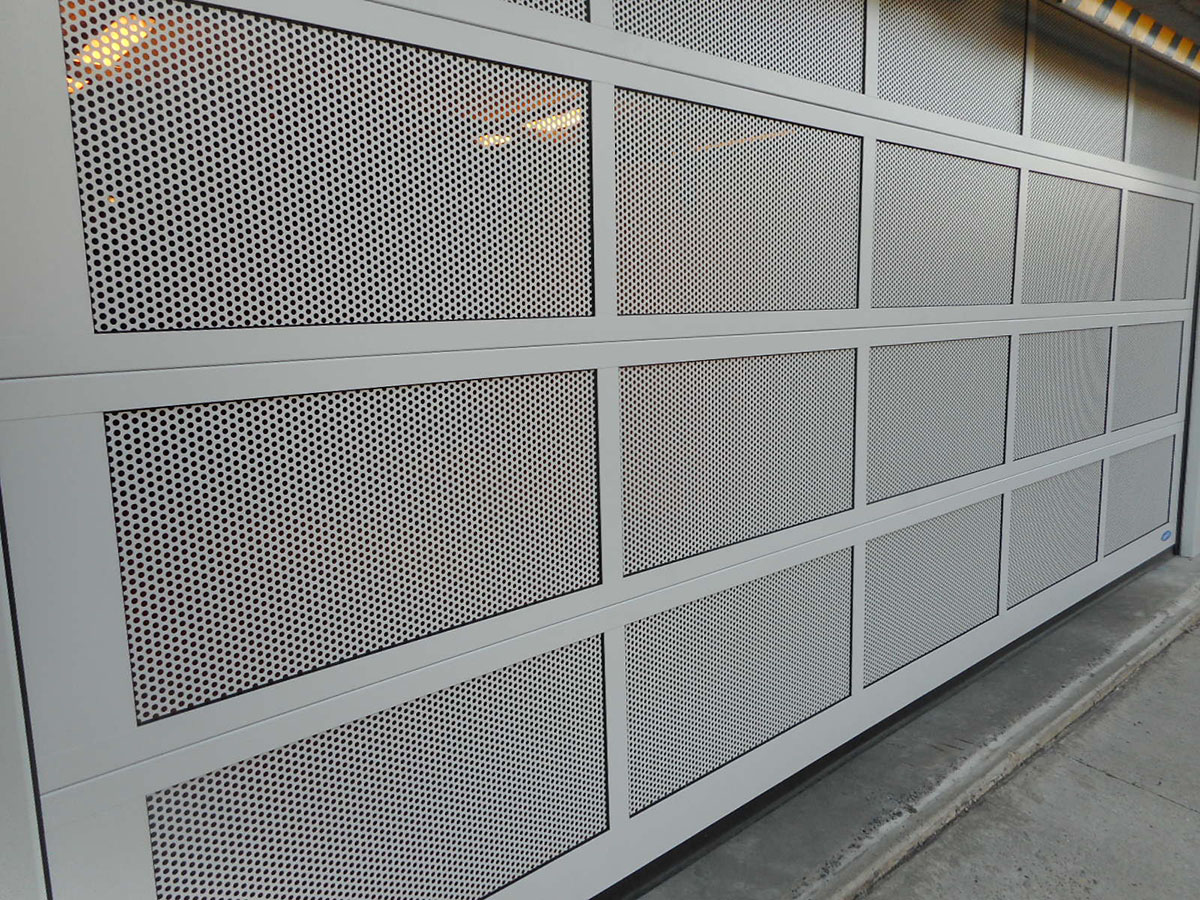
If your facility requires natural light to improve working conditions or safety, you can glaze specific sections. We offer robust window options, safety grilles, and highly durable vision panels built directly into the structural sandwich panels without sacrificing the overall thermal efficiency. Our perimeter weathersealing and an airtight bottom seal provide complete defence against severe weather conditions.
Operational speed dictates the system drive. A standard sectional door supports effortless manual operation for smaller openings. Heavy-duty applications utilize powerful electric operation for rapid logistics cycles. Modern control systems use smart controls to deliver enhanced control over active bays, while tailored track arrangements allow a precise vertical lift configuration to keep mechanisms clear of forklift traffic. The heavy-duty components ensure remarkably quiet operation.
A resilient garage door setup protects assets, integrating vital safety features as standard engineering practice. Specially contoured door panels feature continuous finger protection to prevent accidents. Certified mechanisms offer extra safety by meeting all strict en 13241 compliance mandates, ensuring the entire overhead door mechanism remains exceptionally safe and easy to operate throughout its operational lifespan.